


A tenant improvement project runs on a different clock than most construction work. A retail space, restaurant, or office suite often has a lease start date or an opening deadline attached to it, which makes pricing certainty and schedule discipline more important than almost anything else.
What Tenant Improvement Work Involves
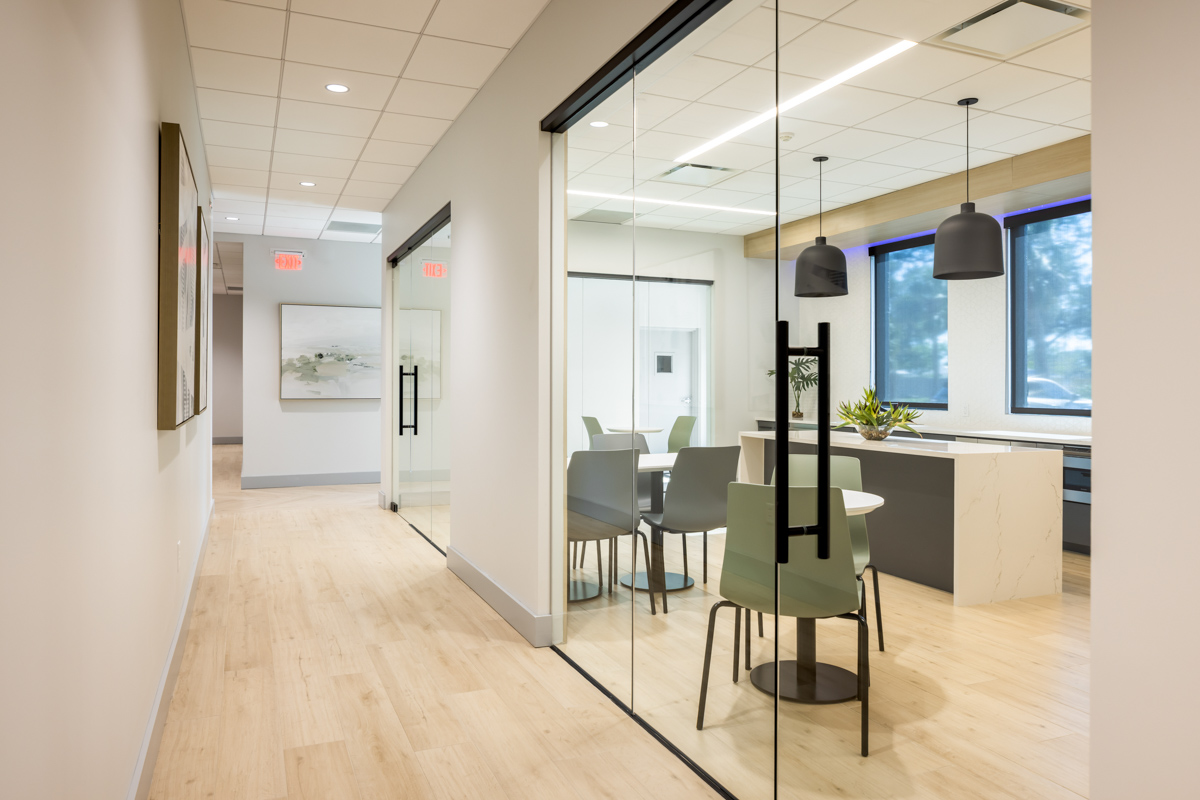
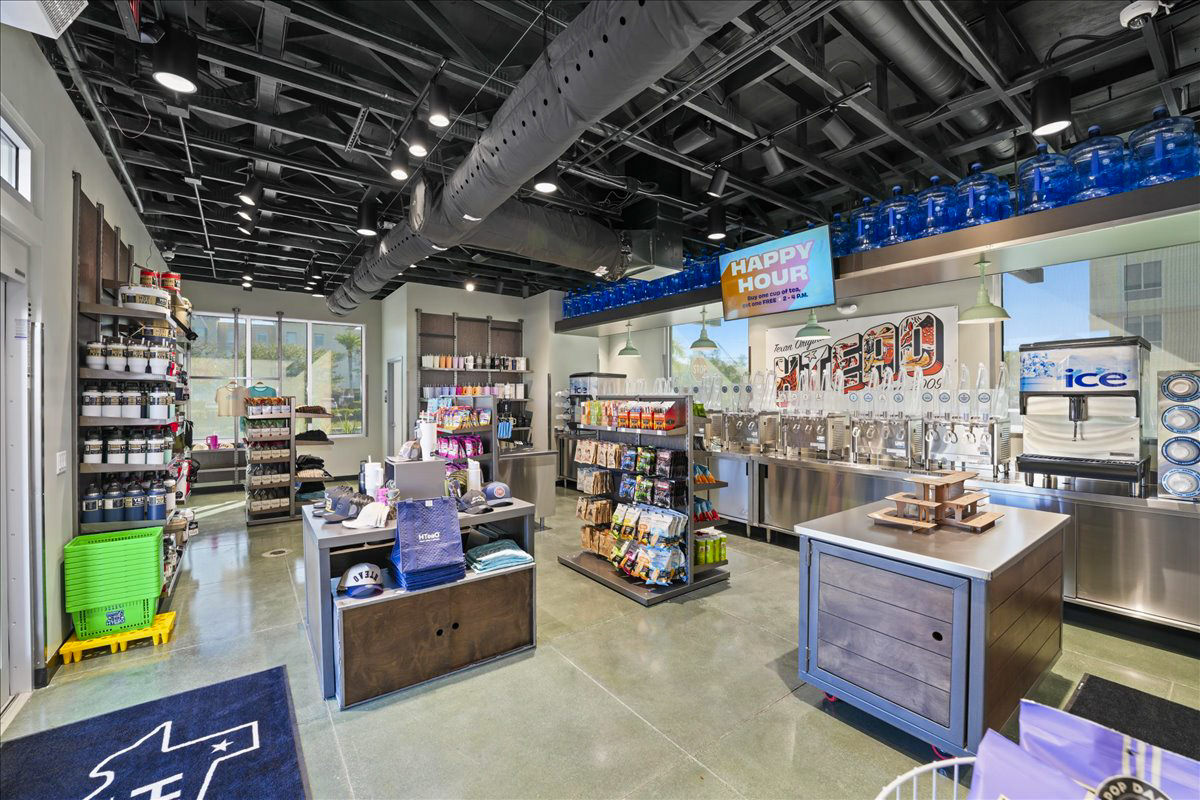
Tenant improvement covers the interior build-out of a leased commercial space: walls, finishes, mechanical and electrical work, and the systems that turn a shell space into a functioning business. JE Charlotte handles TI work for retail tenants, restaurants, and office spaces, often working within an existing building’s shell and coordinating around a landlord’s base building systems.
Why In-House Estimating Matters for TI Work
Because JE Charlotte’s project managers estimate the work themselves rather than relying on a separate estimating department, a TI budget reflects what it actually costs to build, not a desk number with an outside markup layered on top. That matters especially on tenant work, where budgets are often tighter and timelines shorter than ground-up construction.


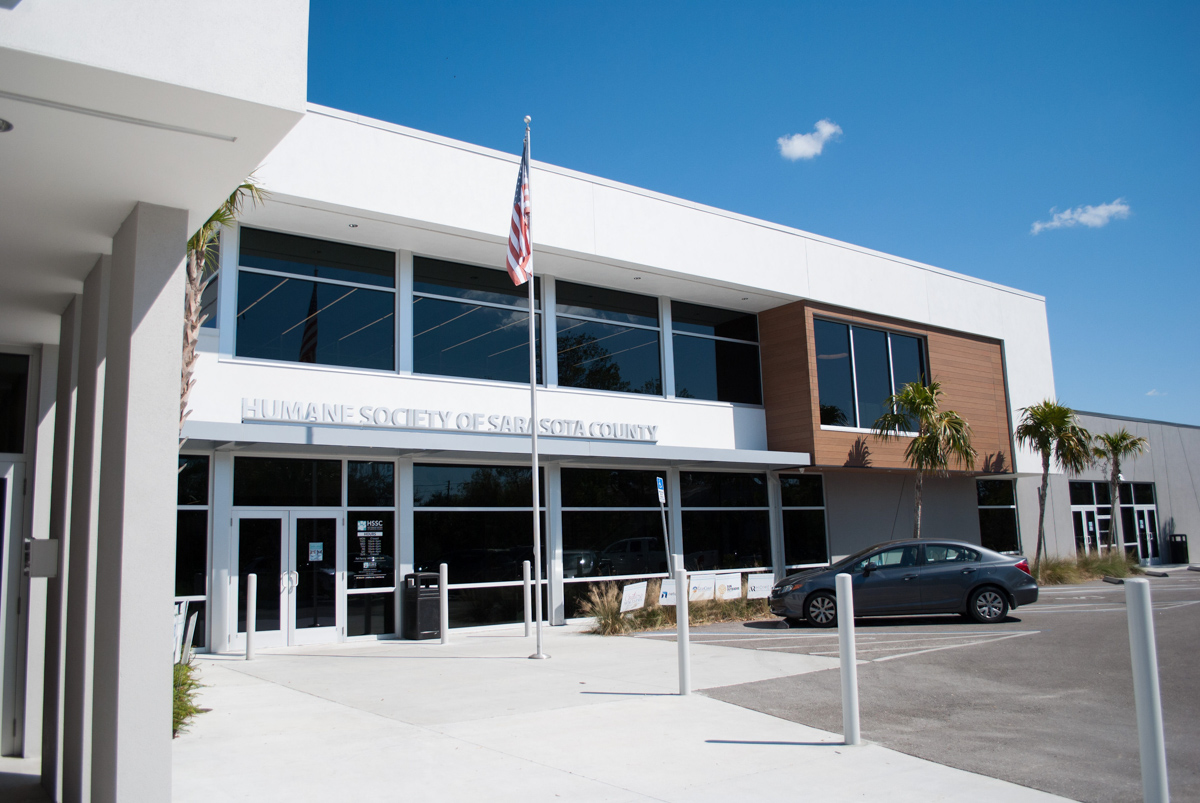

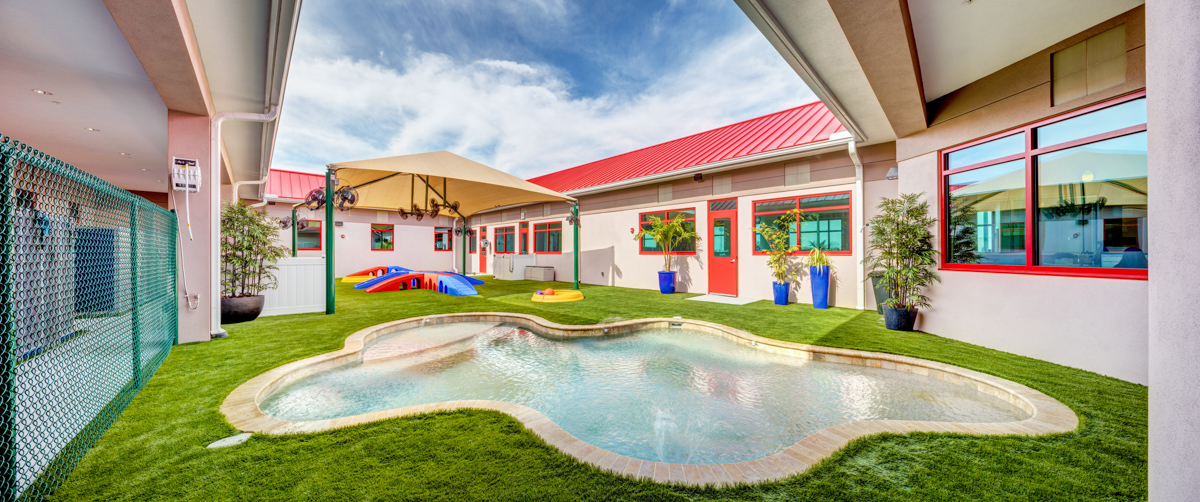
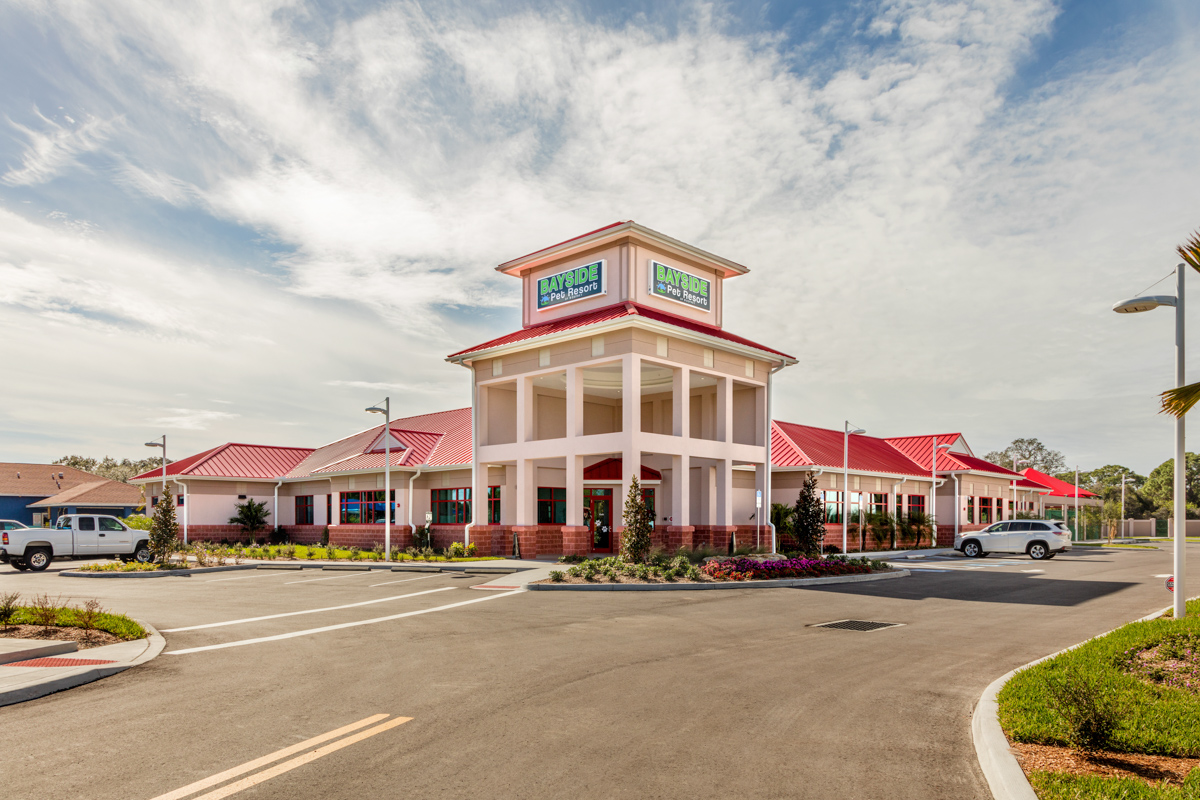
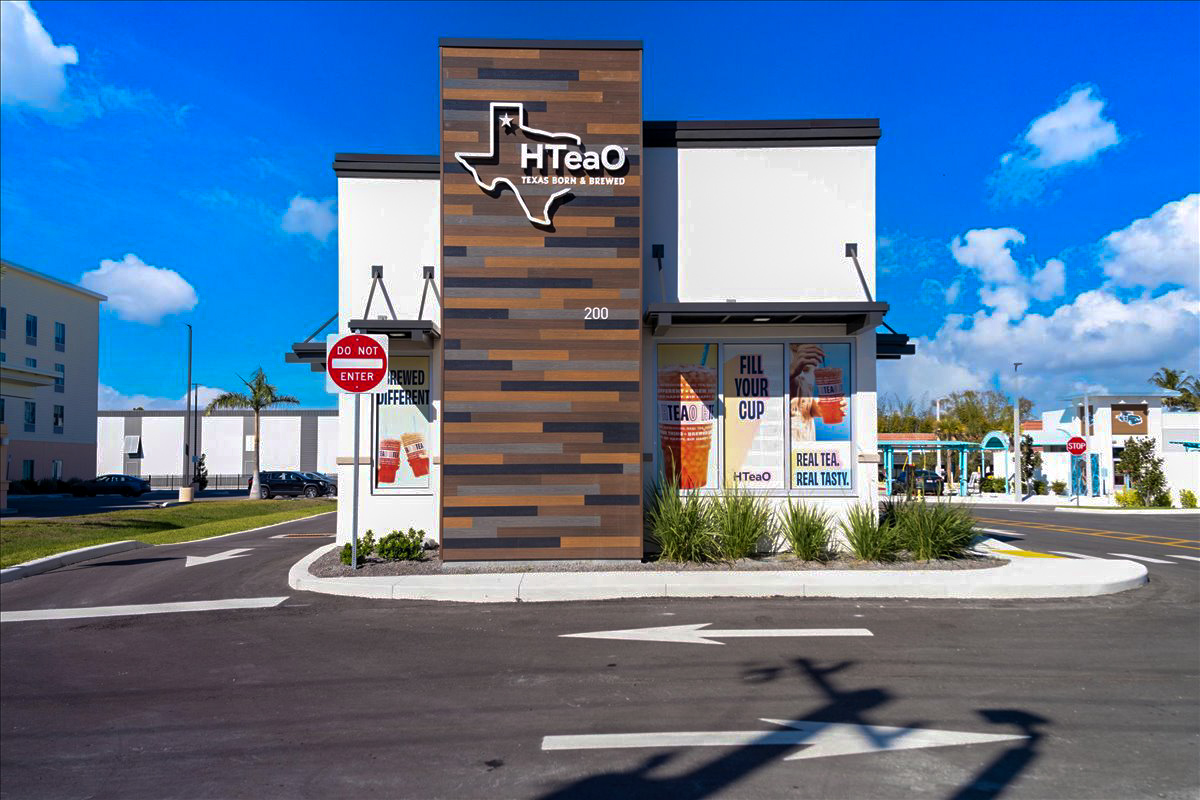
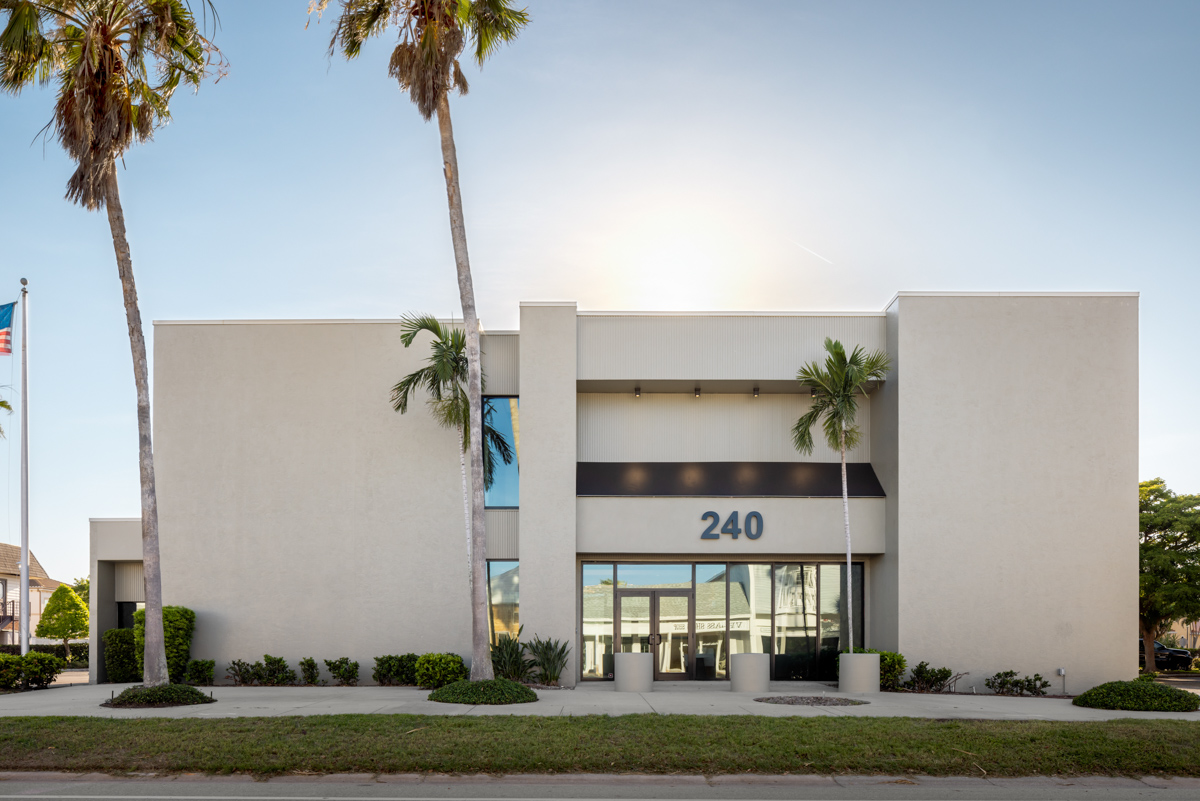
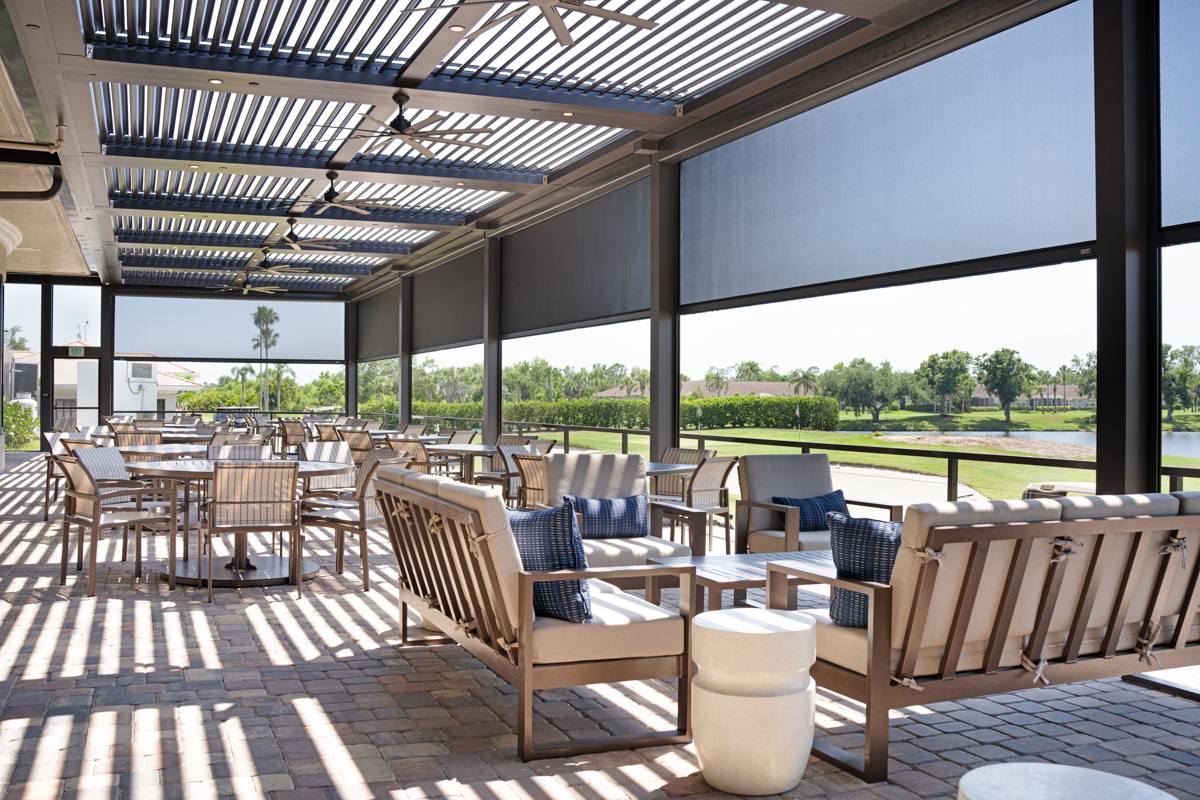




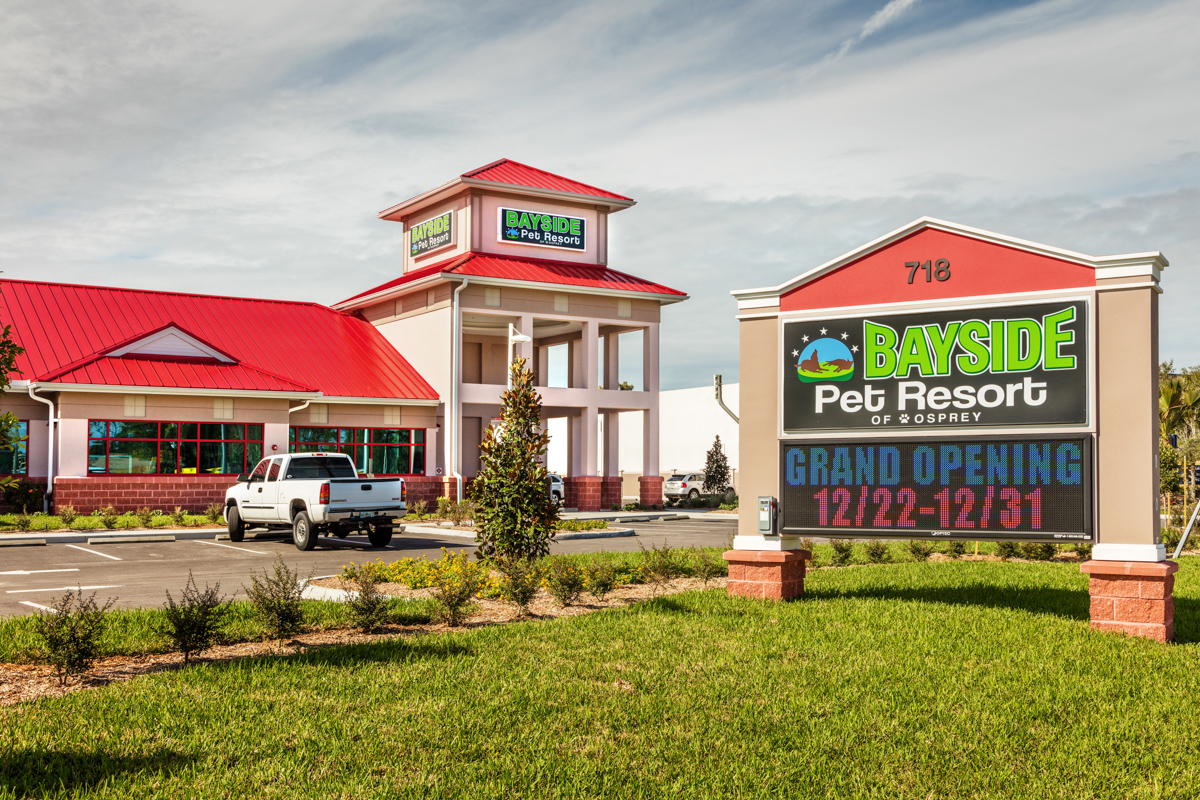

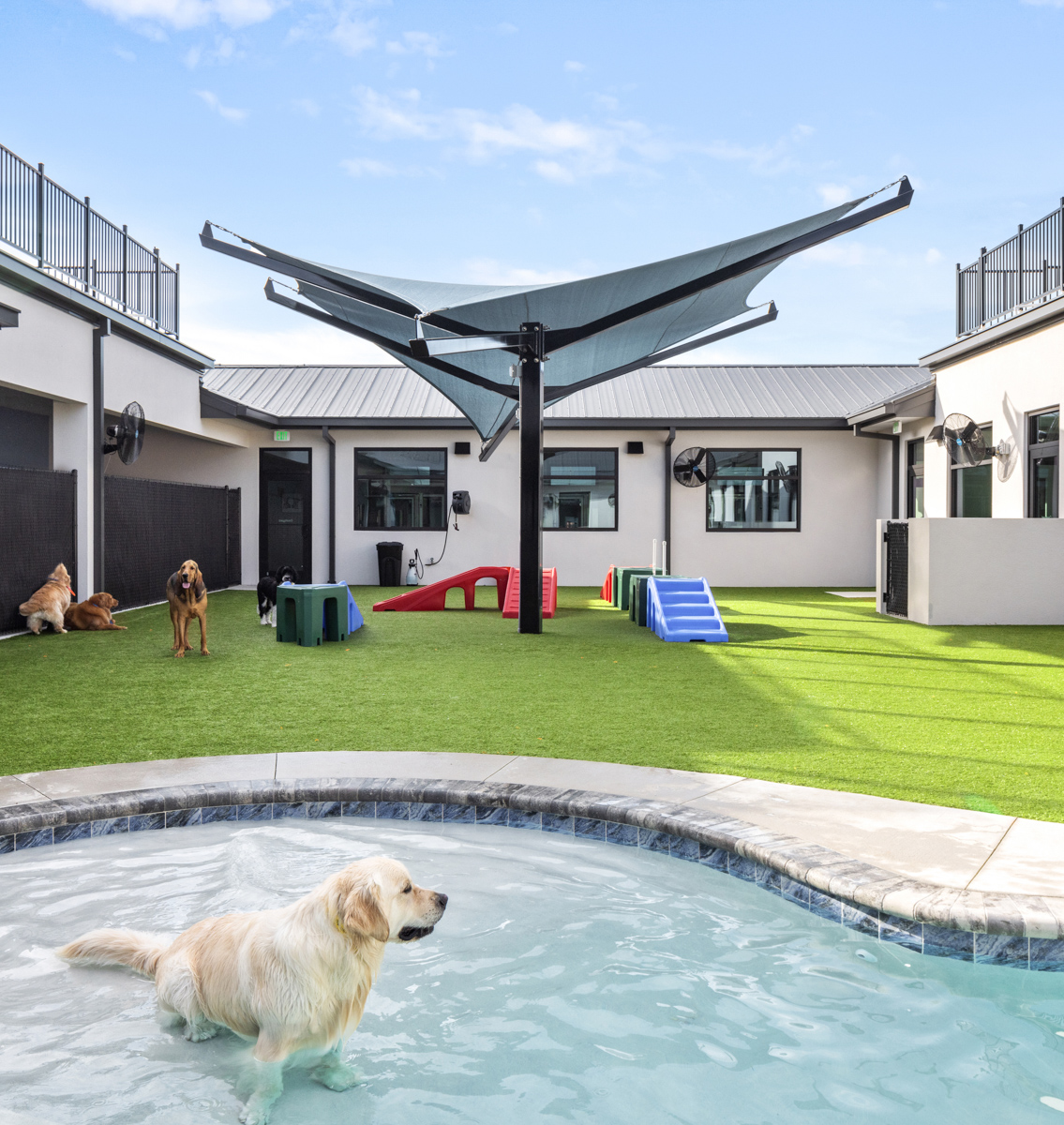






How JE Charlotte Keeps TI Projects on Schedule
Early identification of long-lead materials, so finish selections don’t stall a project near the finish line.
Direct coordination with landlord representatives on base building systems, permitting, and any shared infrastructure.
The same project manager from budgeting through final walkthrough, so there’s no handoff delay when quick decisions are needed close to an opening date.
Working toward a lease start date or opening deadline? Talk with JE Charlotte about your tenant improvement timeline.
Why Owners and Tenants Choose JE Charlotte
JE Charlotte’s open-book pricing gives tenants and landlords the same visibility into a TI budget that the firm provides on larger renovation and new construction work. Combined with in-house estimating and a single point of contact throughout the project, that transparency has kept the firm free of a single lawsuit across 19 years in business.
Managing Permits and Inspections on a Tight Timeline
Tenant improvement projects often move faster than new construction, which puts extra pressure on permitting and inspection scheduling. JE Charlotte coordinates directly with local building departments to identify permitting requirements early and schedule inspections so they don’t stall the schedule. That coordination becomes especially important on TI work, where a missed inspection window can push back an opening date that’s already tied to a lease.
What to Expect During Construction
Once permits are in hand, a TI project typically moves through demolition, rough-in of mechanical, electrical, and plumbing systems, inspections, framing and drywall, finishes, and final walkthrough. JE Charlotte’s superintendent manages this sequence day to day, with weekly updates to the tenant and landlord on where the project stands against the schedule.
Working Within an Existing Building's Base Systems
Most tenant improvement work happens inside a shell that already has base building systems in place: structural framing, a roof, and often shared mechanical or electrical infrastructure controlled by the landlord. JE Charlotte’s project managers verify early what the existing systems can support, so a tenant’s buildout plans don’t run into a capacity limit discovered only after construction has started.
Coordinating a TI Project With a Landlord's Rules
Many commercial leases include construction rules dictated by the landlord: approved contractor lists, insurance minimums, work-hour restrictions, or design guidelines the tenant’s buildout has to follow. JE Charlotte’s project managers review a lease’s construction provisions early, before pricing is finalized, so the budget and schedule reflect the landlord’s actual requirements rather than assumptions that get corrected midway through the project.
Working in Occupied Retail Centers
A tenant improvement project rarely happens in isolation. Neighboring tenants and their customers are often still open for business next door, which puts extra weight on noise control, dust containment, and delivery scheduling. JE Charlotte plans construction access and staging to minimize impact on adjacent businesses, an especially important consideration in an active shopping center or mixed-use retail strip where a disruptive build-out can hurt a neighboring tenant’s sales.
Budgeting for Tenant-Specific Equipment and Fixtures
Many tenant improvement projects involve equipment or fixtures specific to the tenant’s business, restaurant kitchen equipment, retail fixtures, or specialized office systems, that fall outside a typical construction scope but still need to be coordinated into the schedule. JE Charlotte identifies these items early during preconstruction, tracking vendor lead times alongside construction materials so a tenant’s opening doesn’t get held up waiting on equipment that should have been ordered months earlier.
Why Tenant Improvement Work Rewards a Local Contractor
A tenant improvement project moves fastest when the contractor already has working relationships with local permitting offices, utility providers, and a bench of subcontractors available on short notice. JE Charlotte’s nearly two decades in the Sarasota, Manatee, and Charlotte County market mean those relationships already exist, which matters most on a project where every week of delay has a real cost tied to an unopened storefront or an unstarted lease.
Common Tenant Improvement Pitfalls JE Charlotte Helps Avoid
The most common TI delays come from finish selections made too late, permits submitted without checking landlord approval first, or a budget that didn’t account for base building limitations until construction was already underway. JE Charlotte’s early involvement is designed specifically to surface these issues during preconstruction, when they’re cheap to fix, rather than during construction, when they’re not.
FAQs
A tenant improvement allowance is typically a set amount a landlord contributes toward build-out costs, negotiated as part of a lease. JE Charlotte can help a tenant understand how far that allowance will go and where costs might exceed it before construction begins.
Timelines vary by scope and permitting requirements, but JE Charlotte identifies long-lead materials and permitting steps early specifically to avoid delays close to a lease start date.
Yes. Tenant improvement work often requires coordination with a landlord’s base building systems and representatives, which JE Charlotte manages directly as part of the project.
Typically interior walls, finishes, and mechanical, electrical, and plumbing work needed to make a leased space functional for its intended use. The specific scope depends on the space’s condition and the tenant’s requirements.
JE Charlotte identifies which finish decisions have the longest lead times early, so those get locked in first, while giving you more flexibility on lower-impact selections later in the schedule without putting the opening date at risk.
If you’re working against a lease deadline or opening date, JE Charlotte’s in-house estimating and single-point-of-contact model are built to keep a tenant improvement project on schedule.
A tenant who reaches out early, even before a lease is finalized, gives JE Charlotte the most room to protect both budget and opening date.
That early conversation costs nothing, and it often surfaces lease terms or landlord requirements worth negotiating before signing, rather than discovering them after construction has already started and options for changing course have narrowed considerably.